Remedies
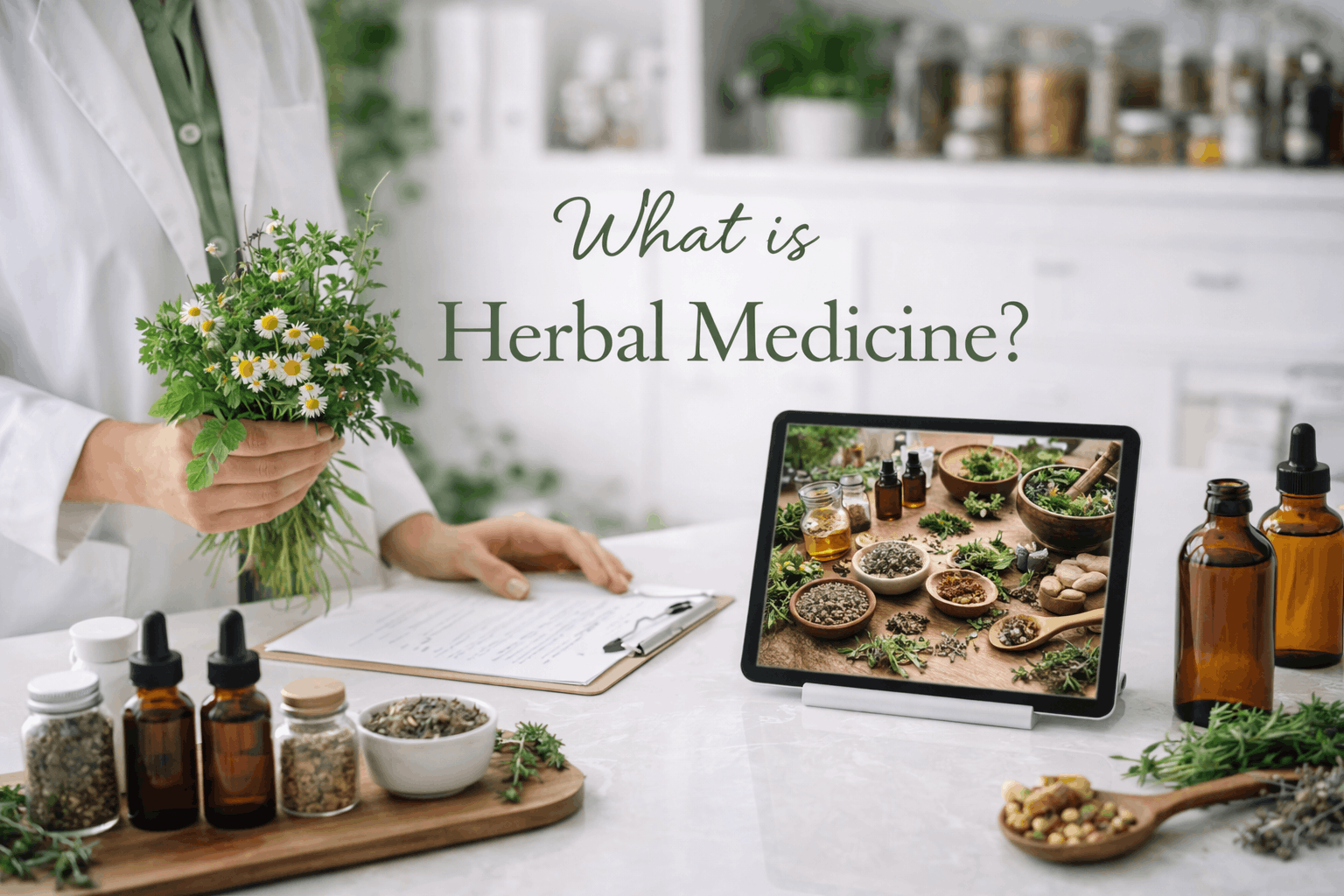
What Is Herbal Medicine?
Whilst herbal medicine can be traced back to the past, it continues to grow in popularity today. Each culture has its own history of these remedies being used for centuries and many have extensive records to authenticate this, for example Ayurvedic healthcare is thought to be the oldest system in the world , stretching back over 5,000 years into the Vedic Age. Whilst The Yellow Emperor’s Classic of Materia Medica dates back to 1000 BCE, in the Han dynasty, it describes 250 herbs, their physical actions and applications. There is still much of the World that uses this medicine as its first source of treatment.
So what are herbs? And how do they work?
I would like to offer a framework that investigates this. As a wholistic practitioner I am treating the body as a whole, and not as separate systems;
The physical, mental, emotional and spiritual.
The physical part of the herb has an effect on our overall bodies, which could be, musculoskeletal, internal organs and bodily functions. We could be mistaken and think that is all we need to heal, but unlike allopathic medicine, which uses this modality, we need to dig deeper.
Using herbs in a mental capacity uses a very different focus in how conventional medicine approaches this. Herbs can have an effect on our cognitive functions, like improving our memories and increasing focus giving us better mental clarity. This is often achieved by working on our guts, where there is an undeniable connection to the brain, this has now been recognised as the ‘Gut-brain connection’. A category of herbs known as “Nervines” which are considered as bitters, work to optimise the gut.
Herbs have an effect on our emotions, like our feelings, moods, for example the Rose flowers is known to be uplifting and calming, which in turn helps with insomnia, which helps improve depression and mental fatigue.
Then we have the spiritual element of the herb. Its no wonder that being in nature can be one of the best ways of finding to relieve stress and become more grounded, giving us an opportunity to re-connect with ourselves. Sitting under a tree or in a beautiful meadow, can almost be transcendent. The plants are our allies and have so much to teach us, they don’t just treat so many of our imbalances they provide oxygen and help filtered out many of the harmful toxins in our polluted environment. Many indigenous communities would ask permission of these plants before using them, then they would give thanks for their uses.
So working with herbs is more than an expectation of what its properties are and how they could potentially interact with you, but what you can learn about them which relates to you. As a practitioner getting to know my clients and finding their partner herbs is much like finding our partners and friendships in life. This is where we find the herbs that match us.
It is important not to get caught up in reading about a particular herb and what is being reported on some of its properties. As another example Peppermint, which is very commonly used is associated to help with gastrointestinal imbalances, and can work very well, but in the case of Hiatal hernia and GERD, it can be contraindicating as it relaxes the GI smooth muscle it may worsen symptoms.
The Herbal Pharmacy
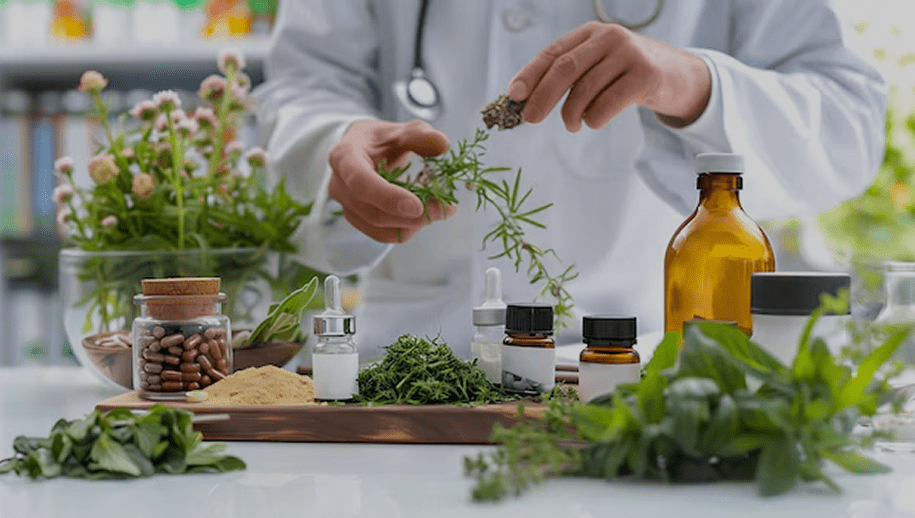
As there are many ways in which to take herbs, each of these can have a different therapeutic actions. These will be dependant on the how best the herb is carried into the body based on the best way of extracting the properties of the herb.
Infusions:-
When taking herbs in the form of infusions as they are water based preparations , this can be either drunk as teas or used externally as skin washes, eye-baths, compresses and Sitz baths.
Tinctures:-
Tinctures are concentrated extracts of herbs which uses a mixture of water and alcohol, this method extracts of the plant that are not as readily available through water. This method of taking herbs in a more direct way of getting the herb into the blood stream, this method might be used to treat more acute conditions.
Capsules:-
This is a very convenient way to take some herbs, this method can often be used to take herbs over a longer period of time. Therapeutic mushrooms such as Lion’s Maine and adaptogenic herbs such as Ashwaghanda.
Ointments and creams:-
These creams or ointments will contain a combination of soothing ingredients of herbs, essential oils and healing oils, and ingredients such as Aloe vera, Shea butter, cocoa butter, which can applied to the skin for skin problems such as Eczema and other superficial aliments such as inflamed joints.
Herbal baths:-
A fragrant hot bath is a very effective way to take herbs into your body. A combination of Epsom salts infused with essential oils and other soothing oils with dried herbs can be very beneficial to soothing dry, itchy conditions, musculoskeletal issues, poor circulation amongst others.
N.B Your treatment plan can consist of a combination of the above categories of herbs.